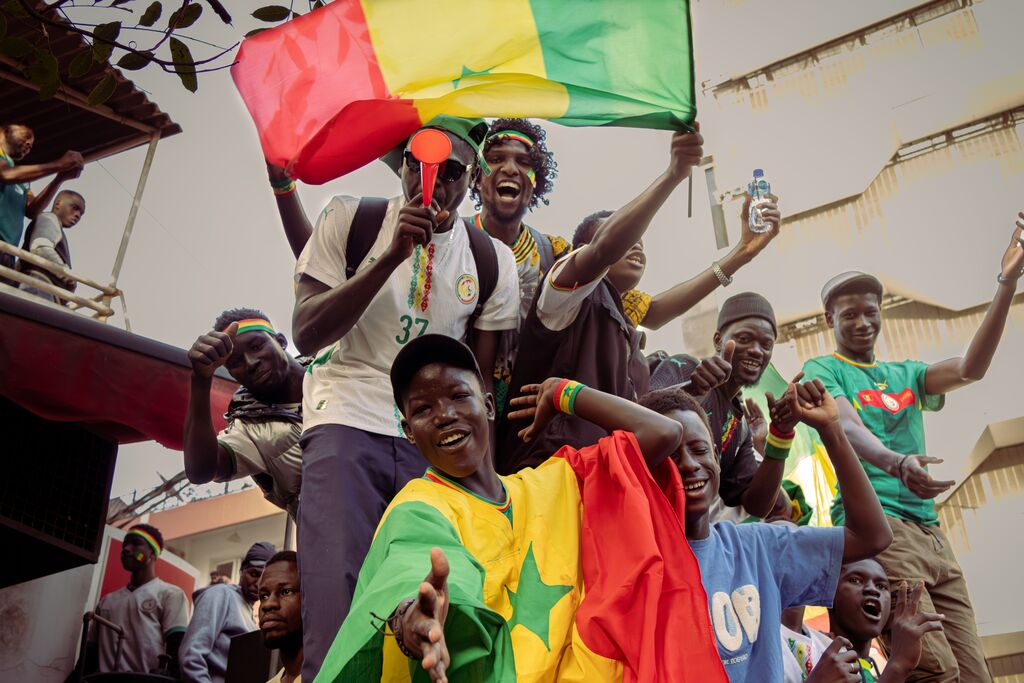
Independence Day, 4th April, Senegal
Remo Kurka - "Not every struggle for independence was fought with guns. Some were won with ideas, dialogue and extraordinary leadership."
When people think about African independence, they often picture revolutions, wars and violent struggles against colonial rule.
In countries such as Algeria, Angola, Mozambique and Kenya, independence came only after years of bloodshed.
Senegal's story was different.
Its journey to independence was shaped not by armed conflict, but by political negotiation, visionary leadership and a growing belief that Africans should govern themselves.
That does not mean the road was easy.
It simply followed another path.
Understanding that journey helps explain why Senegal has become one of West Africa's most stable democracies.
Before Colonial Rule
Long before France established control over the region, the land that is now Senegal was home to thriving African kingdoms.
The Wolof kingdoms of Jolof, Cayor and Waalo, the Serer kingdoms of Sine and Saloum, and many other societies had developed systems of government, trade and diplomacy over centuries.
These were not empty territories waiting to be claimed.
They were living African civilizations.
France Arrives
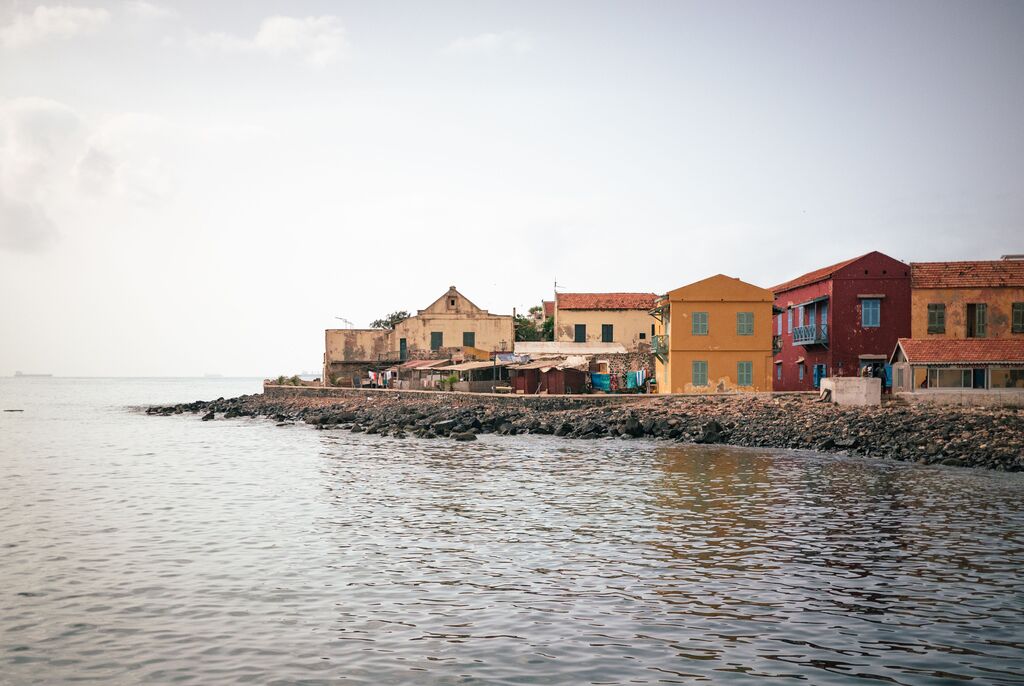
French influence along Senegal's coast began in the seventeenth century, particularly around Saint-Louis and Gorée Island.
Over time, France expanded inland, gradually bringing more territory under colonial control.
By the late nineteenth century, Senegal had become one of the most important territories within French West Africa (Afrique Occidentale Française – AOF), a federation that also included present-day Mali, Guinea, Côte d'Ivoire, Benin, Burkina Faso, Niger and Mauritania.
Dakar eventually became the capital of French West Africa, making Senegal an administrative centre for much of France's empire in West Africa.
The Four Communes
One feature made Senegal different from many other colonies.
The historic towns of Saint-Louis, Gorée, Rufisque and later Dakar became known as the Four Communes.
Many inhabitants of these towns enjoyed rights that were almost unheard of elsewhere in colonial Africa.
Some could elect representatives.
Some became French citizens under specific legal conditions.
This created an African political class that learned to work within—and increasingly challenge—the colonial system itself.
It would later play a crucial role in the independence movement.
Blaise Diagne: Breaking New Ground
In 1914, Blaise Diagne became the first Black African elected to the French National Assembly.
His election marked a turning point.
For the first time, an African representative from Senegal spoke directly within the French Parliament.
Although historians continue to debate some aspects of his political legacy, Diagne demonstrated that Africans could participate at the highest levels of government and demand greater rights.
He helped open political doors that others would later push much wider.
Léopold Sédar Senghor and a New Vision
No individual shaped modern Senegal more than Léopold Sédar Senghor.
A poet, philosopher, teacher and statesman, Senghor believed that political independence should be accompanied by cultural confidence.
Together with thinkers such as Aimé Césaire and Léon-Gontran Damas, he helped develop the philosophy of Négritude, celebrating African cultures, identities and intellectual traditions at a time when colonial attitudes often dismissed them.
For Senghor, independence was about more than changing governments.
It was about restoring dignity.
The Mali Federation
Before Senegal became fully independent, another ambitious idea emerged.
Could several West African territories become one larger nation?
In 1959, Senegal joined with French Sudan (today's Mali) to create the Mali Federation.
Many hoped it would become a powerful example of African unity.
Yet political disagreements soon appeared.
The federation lasted only a few months.
On 20 August 1960, Senegal withdrew.
A few weeks later, on 22 September 1960, French Sudan became the independent Republic of Mali.
Although the federation ended quickly, it revealed that many African leaders were already thinking beyond colonial borders.
Independence at Last
On 4 April 1960, Senegal formally achieved independence from France.
Unlike many countries that emerged from violent liberation wars, Senegal entered nationhood through negotiation.
Léopold Sédar Senghor became the country's first President.
His government faced enormous challenges.
Building schools.
Developing infrastructure.
Creating national institutions.
Strengthening the economy.
Forging unity among communities with different histories, languages and traditions.
The work of independence had only just begun.
Building a Democratic Tradition
No nation develops without difficulties.
Senegal has experienced political tensions, economic challenges and periods of uncertainty.
Yet one characteristic has distinguished the country from many others.
Since independence, Senegal has maintained a remarkable tradition of constitutional government and largely peaceful transfers of political power.
Elections have mattered.
Institutions have endured.
Civil society has remained active.
While no democracy is perfect, Senegal has often been recognised as one of Africa's more stable democratic nations.
Independence Is More Than a Date
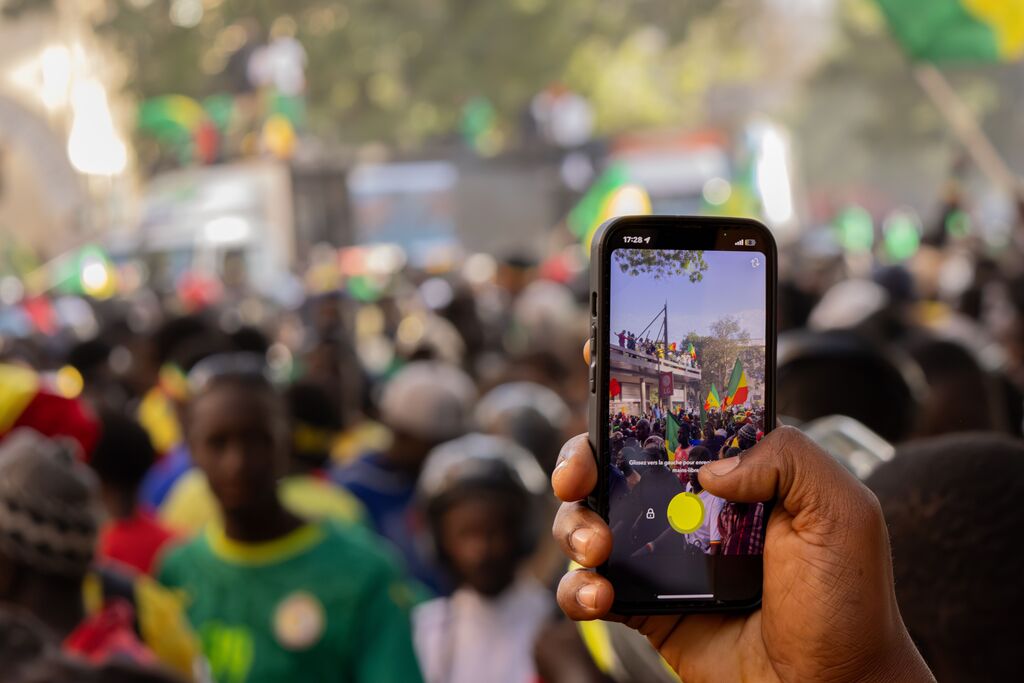
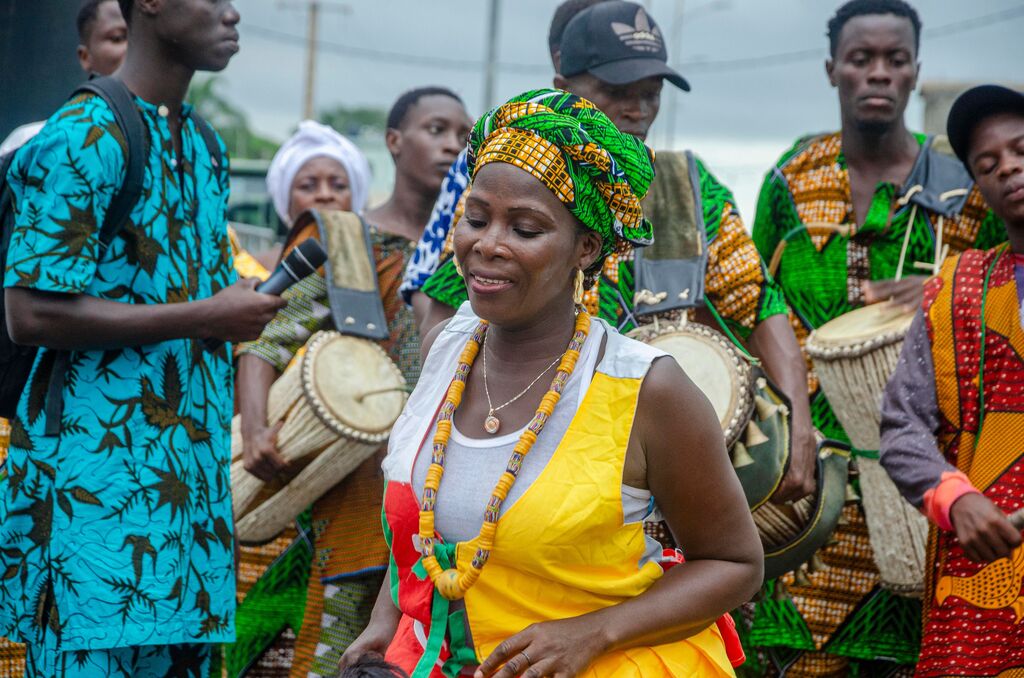
Every year, on 4 April, Senegal celebrates Independence Day.
Parades fill the streets.
The national flag flies proudly.
Communities gather to remember the country's journey.
But independence is more than an anniversary.
It is the continuing story of a nation working to fulfil the hopes of those who believed that Africans could govern themselves with confidence, dignity and vision.
Senegal's Place in African History
Senegal's independence formed part of a remarkable wave that transformed Africa during the twentieth century.
Within only a few years, dozens of African nations achieved self-government.
Together they reshaped the political map of the world.
Senegal's experience reminds us that there was no single African road to freedom.
Some countries fought wars.
Others negotiated.
Each journey reflected its own history.
Together, they created the Africa we know today.
Why Senegal's Story Still Matters
Understanding Senegal's independence means understanding more than politics.
It means recognising the power of ideas.
The importance of education.
The influence of culture.
The value of dialogue.
And the belief that national identity can be built not only through resistance, but also through vision.
For visitors, this history adds meaning to every monument, museum and public square.
For students, it offers a different perspective on Africa's twentieth century.
And for all of us, it reminds us that independence is not simply the end of colonial rule.
It is the beginning of nation-building.
Every Story Opens Another Door into Africa
Senegal's independence is one chapter in the wider story of Africa's journey towards self-determination.
Continue your journey by exploring:
- Senegambia Before Colonial Borders
- The Wolof: Builders of Kingdoms, Culture and Modern Senegal
- The Serer: Guardians of Ancient Traditions
- Gorée Island and the Atlantic Slave Trade
- African Independence: The End of Empire Across a Continent
- Léopold Sédar Senghor: Poet, President and Pan-African Thinker
Because every nation has an Independence Day.
But every independence has its own story.