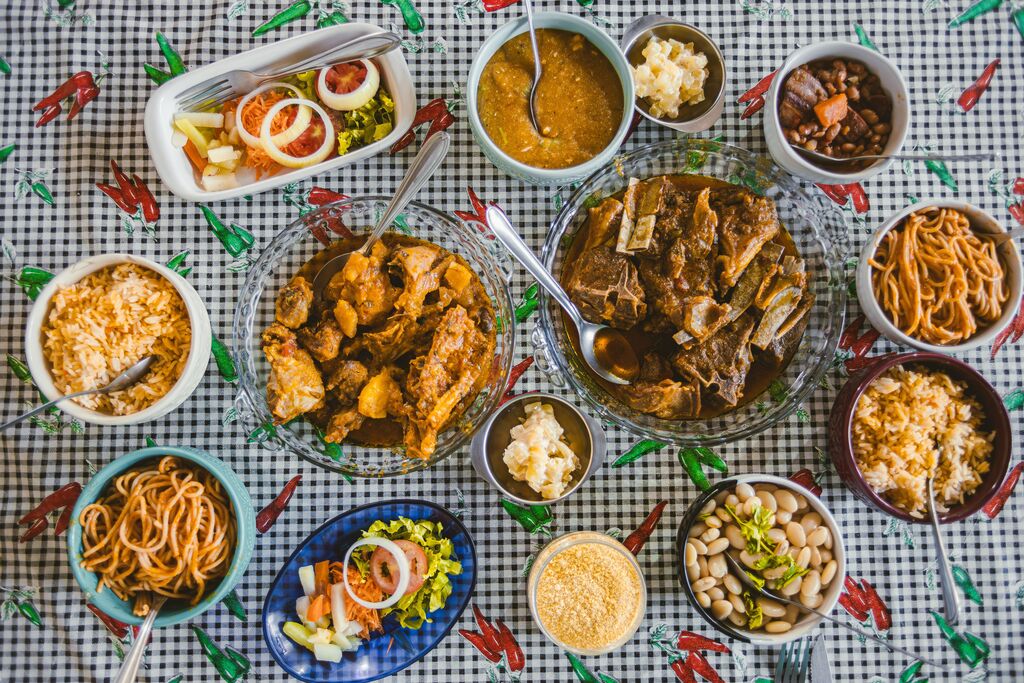
Flavours, Traditions and Stories Behind Senegalese Food
Remo Kurka - "In Senegal, food is not only something you eat. It is something you share."
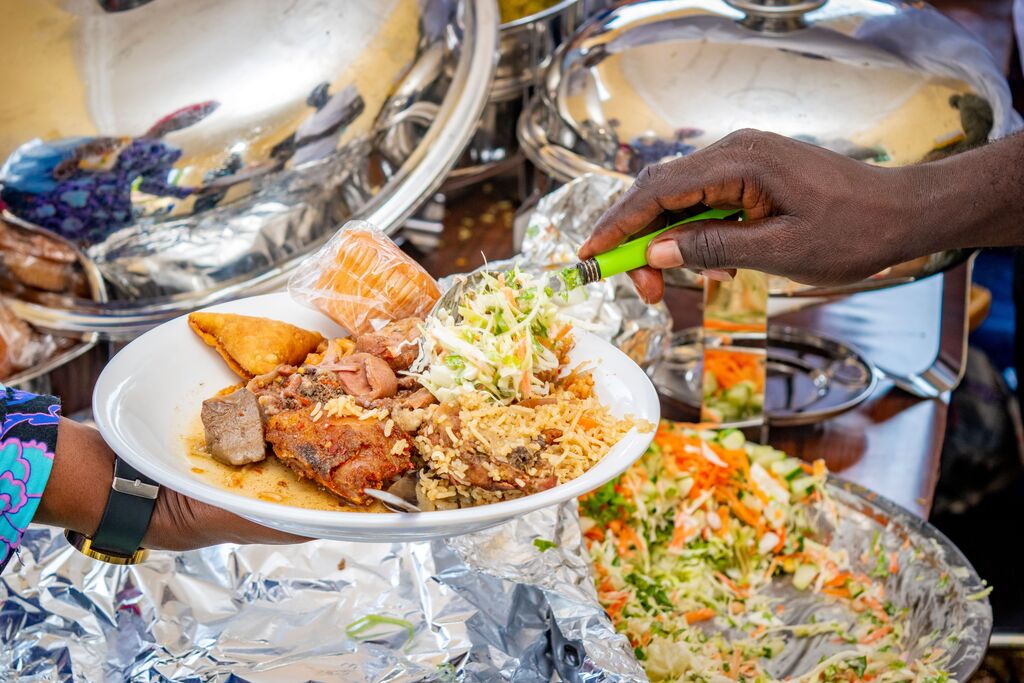
A journey through Senegal is also a journey through its cuisine.
From fresh Atlantic seafood and fragrant rice dishes to slow-cooked sauces, traditional drinks and market flavours, Senegalese food reflects the country's history, landscapes and people.
Food in Senegal is connected to community.
Meals are often shared from one large bowl, families gather together, guests are welcomed, and conversations continue long after the first serving.
To understand Senegalese cuisine is to understand Senegal itself.
The Importance of Food in Senegalese Culture
In Senegal, meals are often social experiences.
The traditional way of eating together reflects important values:
- Respect
- Generosity
- Hospitality
- Community
A visitor invited to share a meal is often experiencing one of the most meaningful parts of Senegalese culture.
Food creates connection.
Thieboudienne — The National Dish of Senegal
The Rice, Fish and Vegetable Dish That Represents a Nation
Thieboudienne (also written ceebu jën) is widely considered Senegal's national dish.
The name comes from Wolof:
- ceebu = rice
- jën = fish
The dish combines:
- Fish
- Rice
- Tomato-based sauce
- Vegetables
- Herbs and spices
Traditionally, the fish is prepared with a flavourful stuffing called rof, made from herbs, garlic and spices.
The dish reflects Senegal's relationship with the Atlantic Ocean and its long fishing traditions.
In 2021, Senegalese ceebu jën was added to UNESCO's Representative List of the Intangible Cultural Heritage of Humanity.
Yassa — A Favourite Across Senegal
Yassa is one of Senegal's most beloved dishes.
Usually prepared with chicken or fish, it is famous for its rich onion sauce.
Typical ingredients include:
- Large quantities of onions
- Lemon
- Mustard
- Garlic
- Pepper
The result is a dish that is simple, comforting and full of flavour.
Yassa is enjoyed both at home and in restaurants throughout Senegal.
Mafé — The Peanut Tradition
Mafé reflects the importance of peanuts in West African agriculture.
This rich sauce is traditionally prepared with:
- Ground peanuts
- Tomatoes
- Vegetables
- Meat or fish
It is usually served with rice.
The dish demonstrates how local crops have shaped regional cuisine.
Senegal's Atlantic Seafood Tradition
With hundreds of kilometres of coastline, seafood plays an important role in Senegalese cuisine.
Popular seafood includes:
- Fresh fish
- Shrimp
- Oysters
- Shellfish
Fishing communities along the coast have preserved traditions that connect food directly with the ocean.
Places such as fishing villages offer visitors a chance to experience seafood at its freshest.
The Importance of Rice
Rice is central to Senegalese cuisine.
It forms the foundation of many famous dishes.
Rice traditions reflect both local agriculture and historical connections with wider trade networks.
A Senegalese meal often begins with the question:
"What are we eating with the rice?"
Breakfast in Senegal
Breakfast can be very different from what many international visitors expect.
Popular options include:
Café Touba
A famous Senegalese coffee flavoured with grains of paradise and spices.
It has become an important part of Senegalese daily life.
Bread and Fillings
French-style bread is often combined with:
- Butter
- Chocolate
- Omelettes
- Meat fillings
Attaya — Senegal's Tea Tradition
Tea is much more than a drink.
Preparing attaya is a social ritual.
Traditionally, tea is prepared in three rounds:
- The first is often stronger.
- The second is smoother.
- The third is sweeter.
The process encourages people to sit, talk and spend time together.
Sharing tea is sharing time.
Senegalese Markets and Street Food
Markets are among the best places to discover everyday flavours.
Visitors may find:
- Fresh fruit
- Spices
- Grilled foods
- Local snacks
- Traditional ingredients
Street food offers an authentic glimpse into daily life.
Popular snacks include:
Fataya
Small fried pastries often filled with meat or fish.
Beignets
Sweet fried dough snacks.
Grilled Meat
Often served with onions and spicy sauces.
Regional Differences in Senegalese Cuisine
Senegal is not one single culinary region.
Different areas have their own traditions.
Dakar and the Coast
Strong seafood influence.
Casamance
Known for:
- Rice cultivation
- Tropical ingredients
- Palm products
- Rich flavours
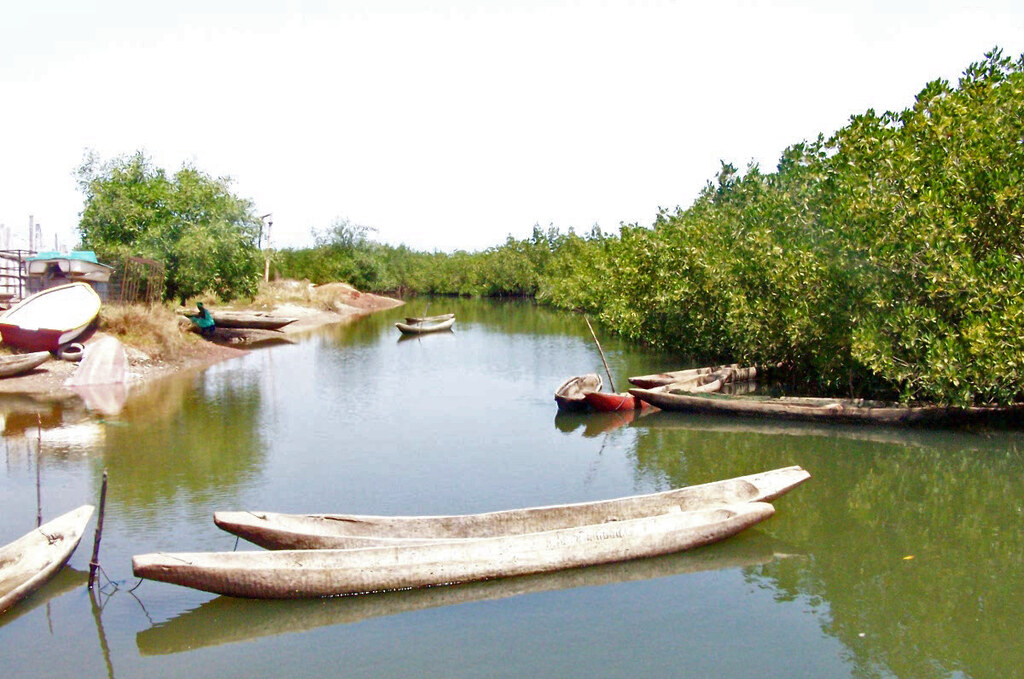
Sine-Saloum
Influenced by:
- Fishing communities
- Mangrove environments
- Traditional agriculture
Eastern Senegal
Connected with inland traditions and pastoral communities.
The Influence of History on Senegalese Food
Senegalese cuisine reflects many historical influences.
These include:
- Indigenous West African traditions
- Atlantic trade connections
- French colonial influence
- Islamic cultural traditions
- Regional exchanges across West Africa
Food tells the story of movement, adaptation and exchange.
Eating as a Visitor in Senegal
Visitors should embrace the experience.
Useful tips:
- Try local dishes.
- Accept invitations when possible.
- Be open to sharing meals.
- Ask questions about ingredients.
- Visit local markets respectfully.
Food is one of the easiest ways to connect with people.
Vegetarian Food in Senegal
Although many famous dishes include fish or meat, vegetarian options exist.
Visitors can enjoy:
- Vegetable rice dishes
- Bean dishes
- Salads
- Fresh fruit
- Vegetable sauces
Communicating dietary preferences clearly helps.
Drinks of Senegal
Besides tea and coffee, Senegal offers many traditional drinks.
Bissap
Made from hibiscus flowers.
Usually served sweet and refreshing.
Bouye
Made from the fruit of the baobab tree.
Ginger Juice
A popular refreshing drink with a strong flavour.
Food and Hospitality
Perhaps the greatest ingredient in Senegalese cuisine is hospitality.
A meal is rarely just a meal.
It is an invitation.
It is conversation.
It is a moment shared between people.
This is why many visitors remember not only what they ate in Senegal, but who they shared it with.
Discover Senegal Through Food
Senegalese cuisine is a reflection of the country itself:
- Diverse
- Historic
- Welcoming
- Creative
- Connected to nature
Every dish has a story.
Every meal offers a discovery.
And every taste provides another way to understand Senegal.
Continue Exploring Senegal
Discover more:
- People of Senegal
- Regions and Cities
- Wolof Culture
- Historic Cities
- Markets and Traditions
- Senegal Travel Guide
- Senegal Food Stories (coming soon)