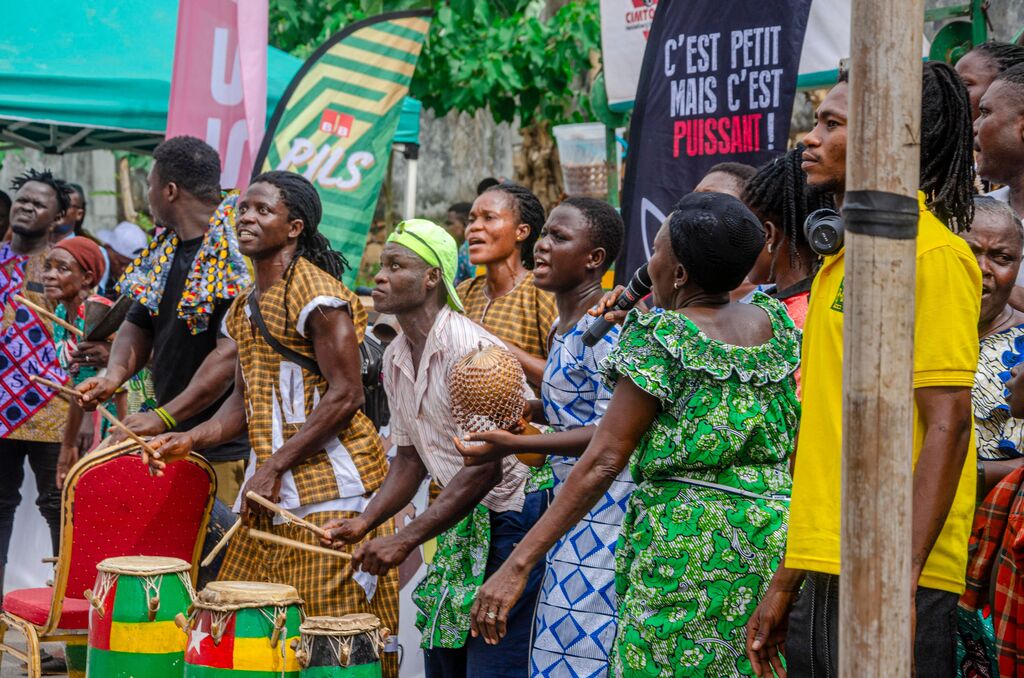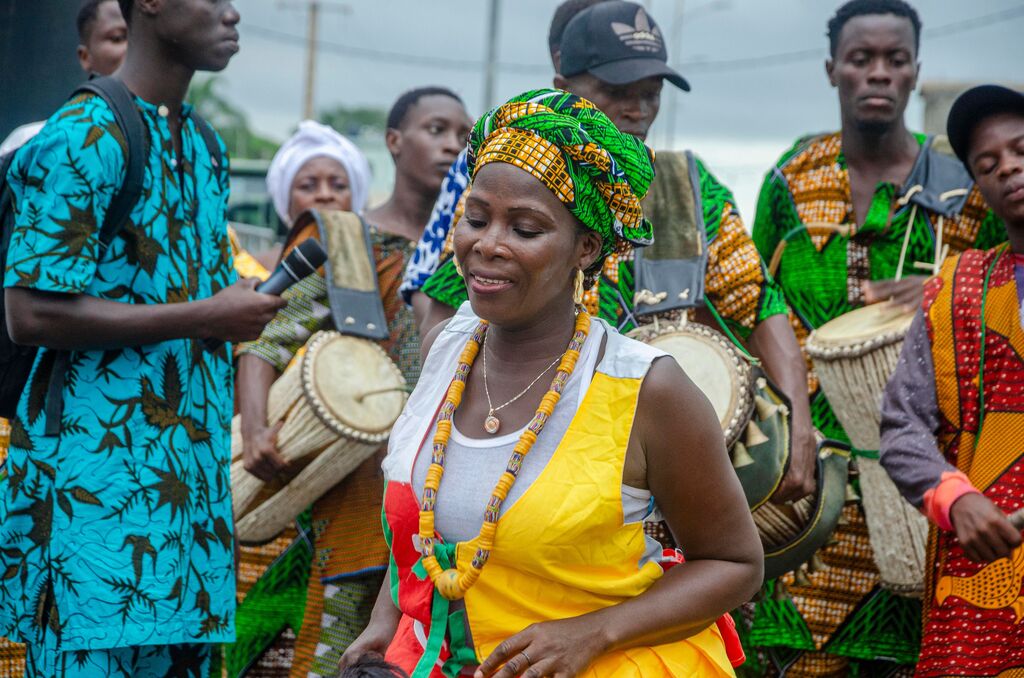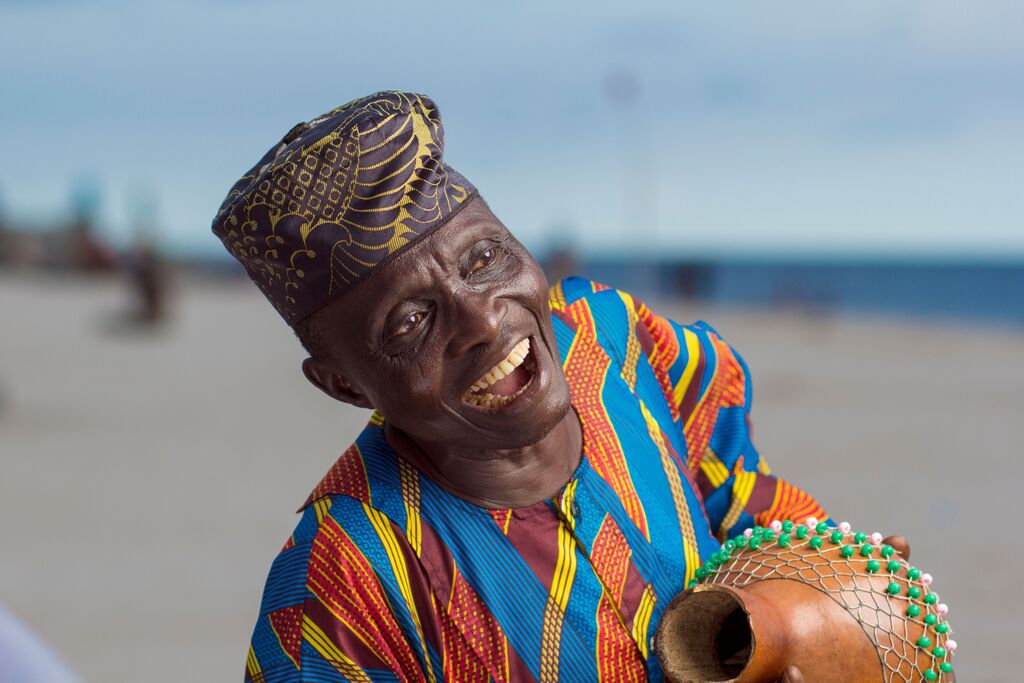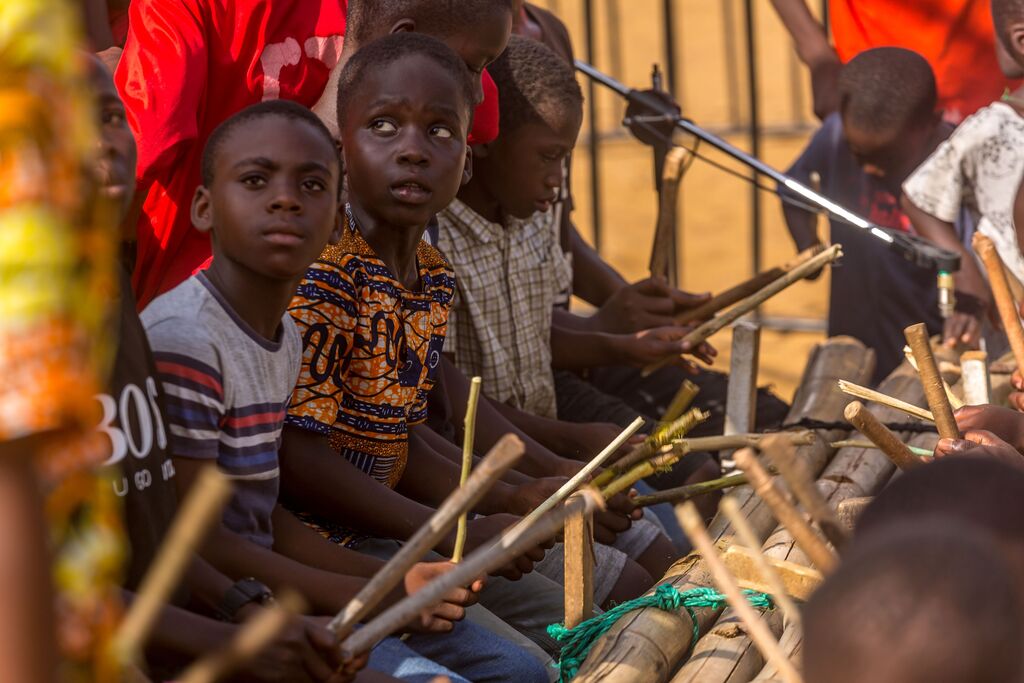
Senegal kids learning drumming for a festival
Remo Kurka - "The more you learn about Senegal, the more remarkable it becomes."
Senegal is often described as the gateway to West Africa.
Yet beyond its welcoming people and beautiful Atlantic coastline lies a country filled with extraordinary history, cultural diversity, remarkable wildlife and fascinating traditions.
Here are 50 facts that reveal why Senegal is far more than many visitors expect.
Geography
1. Senegal surrounds almost the entire country of The Gambia.
The Gambia forms a narrow corridor following the Gambia River, dividing southern Casamance from the rest of Senegal.
2. Dakar is the westernmost capital city on mainland Africa.
Standing at Pointe des Almadies, you are closer to the Americas than almost anywhere else on the African mainland.
3. Senegal has more than 500 kilometres of Atlantic coastline.
Its beaches range from lively city shores to peaceful fishing villages.
4. The country borders five neighbours.
Mauritania, Mali, Guinea, Guinea-Bissau and The Gambia.
5. Senegal contains deserts, wetlands, forests, mangroves, rivers and mountains.
Few countries in West Africa offer such varied landscapes.
History
6. Humans have lived in Senegal for thousands of years.
Ancient stone circles, archaeological sites and oral traditions tell a story stretching far beyond written history.
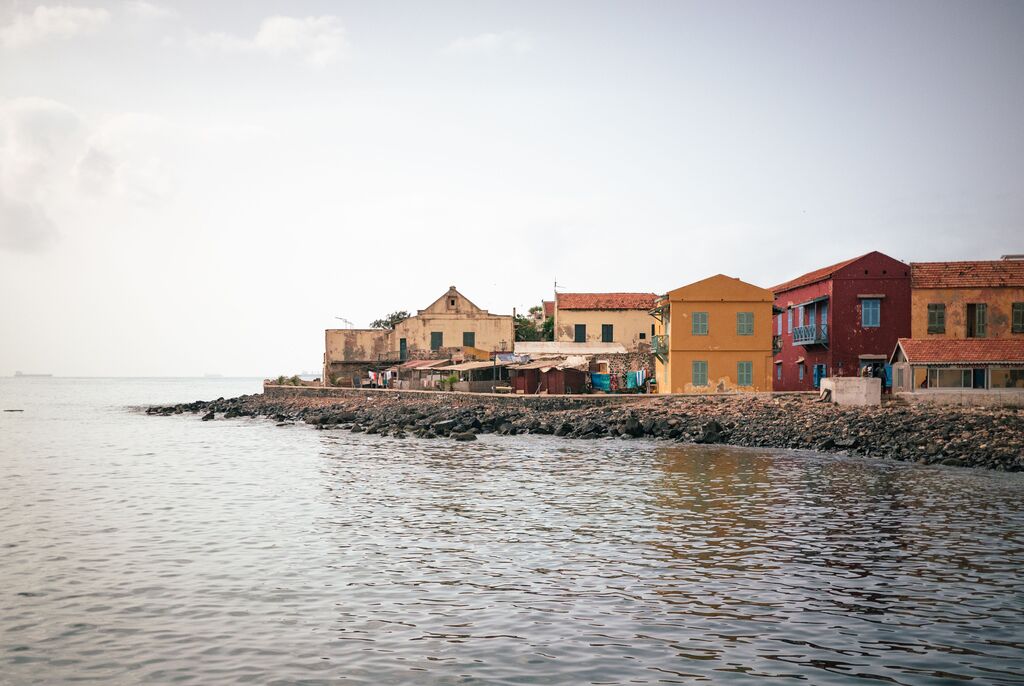
7. Gorée Island became one of the world's best-known symbols of the Atlantic slave trade.
Today it is recognised as a UNESCO World Heritage Site and a place of remembrance.
8. Senegal gained independence in 1960.
Léopold Sédar Senghor became its first president.
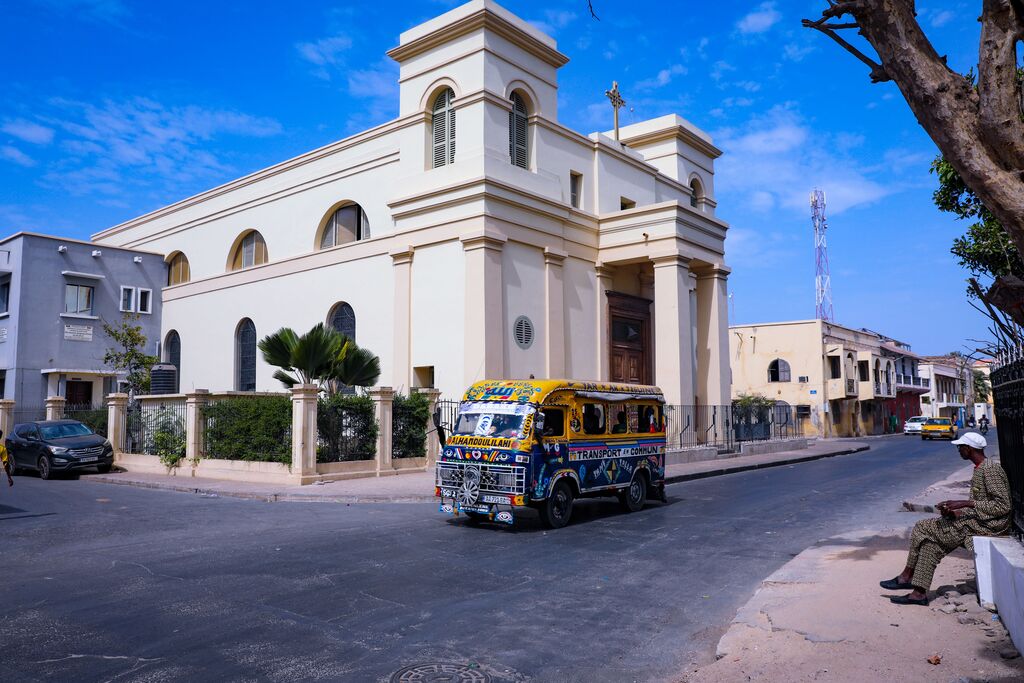
9. Saint-Louis was once the capital of French West Africa.
Its elegant colonial architecture still reflects that era.
10. Senegal helped shape modern African literature.
Writers, poets and scholars from Senegal have influenced generations across the continent.
People and Culture
11. More than a dozen languages are spoken across Senegal.
French is the official language, while Wolof is the most widely spoken in everyday life.
12. Teranga is one of Senegal's most treasured values.
It describes generosity, hospitality and respect for guests.
13. Music is woven into everyday life.
From traditional drumming to modern mbalax, music accompanies celebrations, ceremonies and daily life.
14. Storytelling remains an important cultural tradition.
For centuries, griots have preserved history through oral tradition.
15. Wrestling is Senegal's national sport.
Traditional wrestling combines athletic skill, ceremony and cultural heritage.
Nature
16. Senegal is home to one of Africa's greatest bird sanctuaries.
Djoudj National Bird Sanctuary welcomes millions of migratory birds each year.
17. Niokolo-Koba National Park is one of West Africa's largest protected areas.
It safeguards rich ecosystems and remarkable biodiversity.
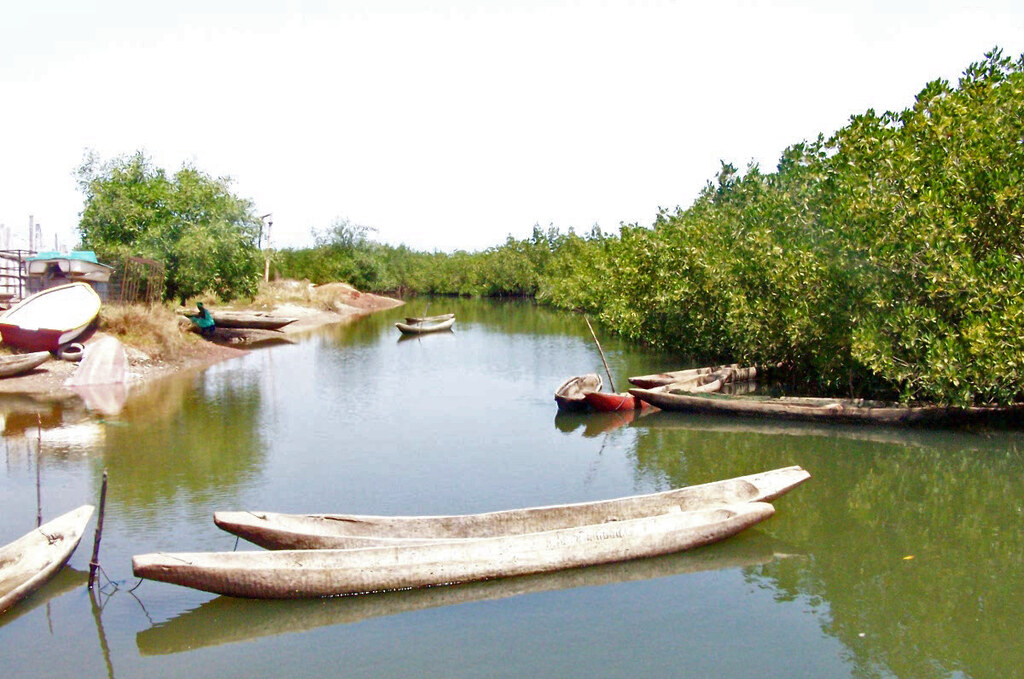
18. The Sine-Saloum Delta is both a UNESCO World Heritage Site and a Biosphere Reserve.
Its mangrove forests support wildlife and traditional fishing communities.
19. Flamingos, pelicans and herons are common sights in many wetlands.
Birdwatchers travel from around the world to experience Senegal's avian diversity.
20. Dolphins can sometimes be spotted along Senegal's Atlantic coast.
Boat excursions in certain coastal regions offer opportunities to observe marine life.
Food
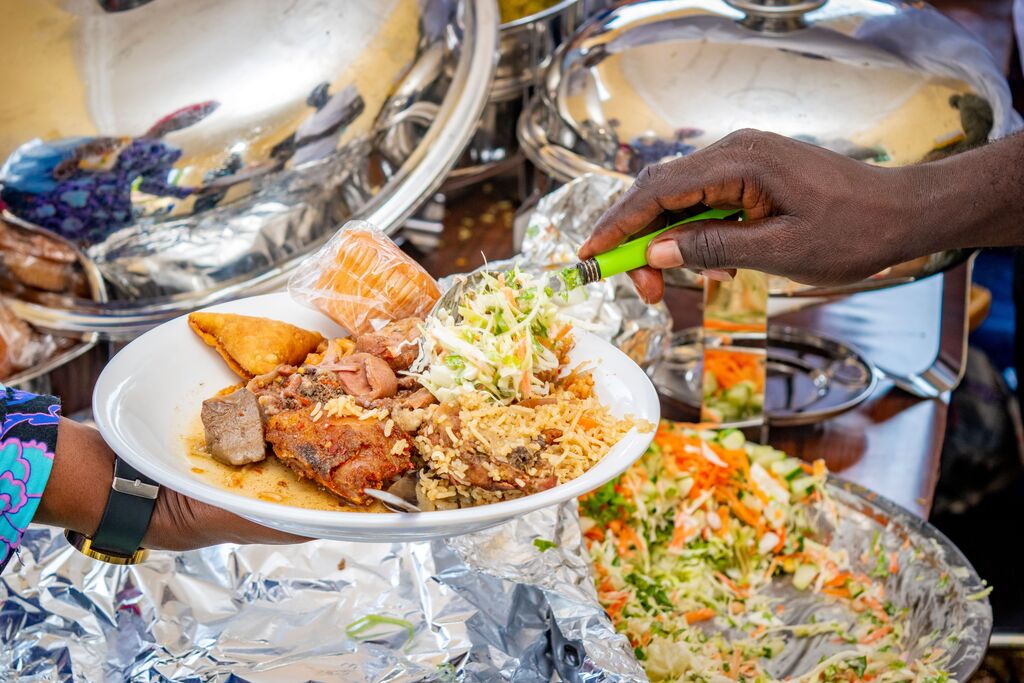
21. Thieboudienne is considered Senegal's national dish.
It combines fish, rice and vegetables in a flavourful meal enjoyed across the country.
22. Yassa is loved throughout Senegal.
Usually prepared with chicken or fish, it features onions, mustard and citrus.
23. Shared meals are an important part of Senegalese culture.
Families and friends often gather around one large communal dish.
24. Fresh seafood is widely available along the coast.
Grilled fish, prawns and oysters are local favourites.
25. Attaya tea is more than a drink.
Preparing and sharing traditional mint tea is an important social ritual.
Heritage
26. Senegal has several UNESCO World Heritage Sites.
These include Gorée Island, Saint-Louis, the Stone Circles of Senegambia and the Sine-Saloum Delta.
27. The Stone Circles of Senegambia are over a thousand years old.
Their exact purpose continues to fascinate archaeologists.
28. Touba is one of the holiest cities in West Africa.
Millions of pilgrims visit during the annual Grand Magal.
29. Traditional villages preserve centuries-old customs.
Many communities continue practices passed down through generations.
30. Senegal celebrates both historical memory and living traditions.
Heritage is experienced daily rather than preserved only in museums.
Wildlife
31. More than 600 bird species have been recorded in Senegal.
This makes the country a paradise for birdwatchers.
32. Hippos still inhabit parts of southeastern Senegal.
They can occasionally be seen in protected river systems.
33. Monkeys live in several national parks and forests.
Patient visitors are often rewarded with memorable wildlife encounters.
34. Mangrove forests protect both wildlife and local communities.
They reduce coastal erosion and provide breeding grounds for fish.
35. Conservation is becoming increasingly important.
Protected areas help preserve ecosystems for future generations.
Everyday Life
36. Greetings matter.
People often exchange several greetings before beginning a conversation.
37. Markets are community gathering places.
They are as much about social life as they are about commerce.
38. Family remains at the heart of society.
Several generations often maintain close relationships.
39. Colourful fabrics are worn with pride.
Traditional clothing reflects both heritage and contemporary fashion.
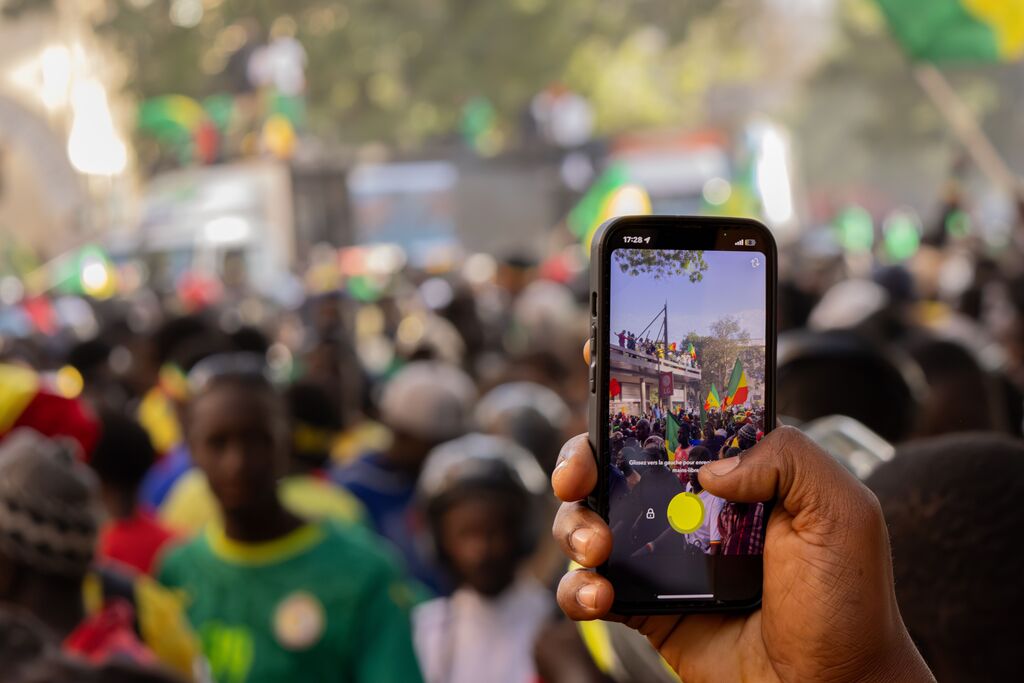
40. Football is passionately followed throughout the country.
The national team's successes unite communities across Senegal.
Modern Senegal
41. Dakar is one of West Africa's leading cultural capitals.
The city hosts festivals, exhibitions and international conferences.
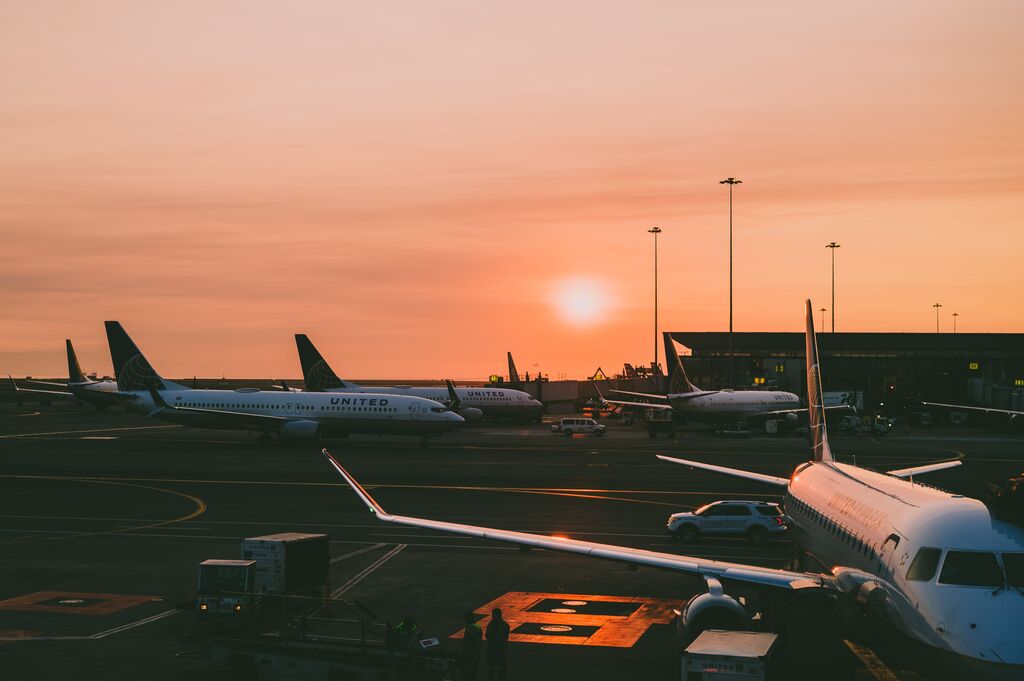
42. Blaise Diagne International Airport connects Senegal with destinations across Africa, Europe and beyond.
It serves as the country's main international gateway.
43. Tourism continues to grow.
Visitors increasingly seek authentic cultural and nature-based experiences.
44. Renewable energy is becoming more important.
Solar and wind projects are contributing to Senegal's energy future.
45. Senegal is recognised for its vibrant creative industries.
Fashion, film, literature, music and visual arts continue to gain international attention.
Did You Know?
46. The famous Dakar Rally no longer finishes in Dakar.
Although the event moved years ago, its name continues to keep Senegal in the global imagination.
47. Senegal is one of Africa's great birdwatching destinations.
Thousands of enthusiasts visit every year.
48. Every region offers a different experience.
No two journeys through Senegal are ever quite the same.
49. Curiosity is rewarded.
Many of Senegal's most memorable moments happen away from famous landmarks—in conversations, village visits and everyday encounters.
50. Understanding Senegal is the beginning of understanding West Africa.
Its history, cultures, landscapes and traditions offer a remarkable introduction to one of Africa's most diverse regions.
Keep Discovering Senegal
These fifty facts are only the beginning.
Behind each one lies a deeper story waiting to be explored.
Learn about Senegal's regions, historic cities, national parks, wildlife, museums, people, festivals and cultural traditions through the growing collection of guides on SenegalVibes.
Because every fact is a doorway.
And every doorway leads to another discovery.