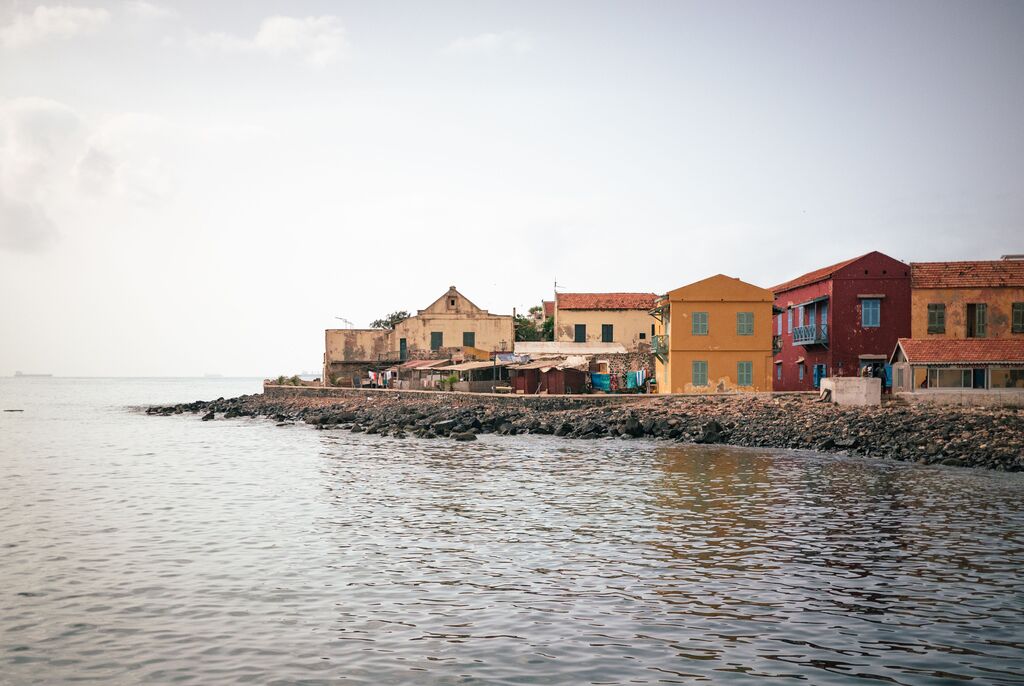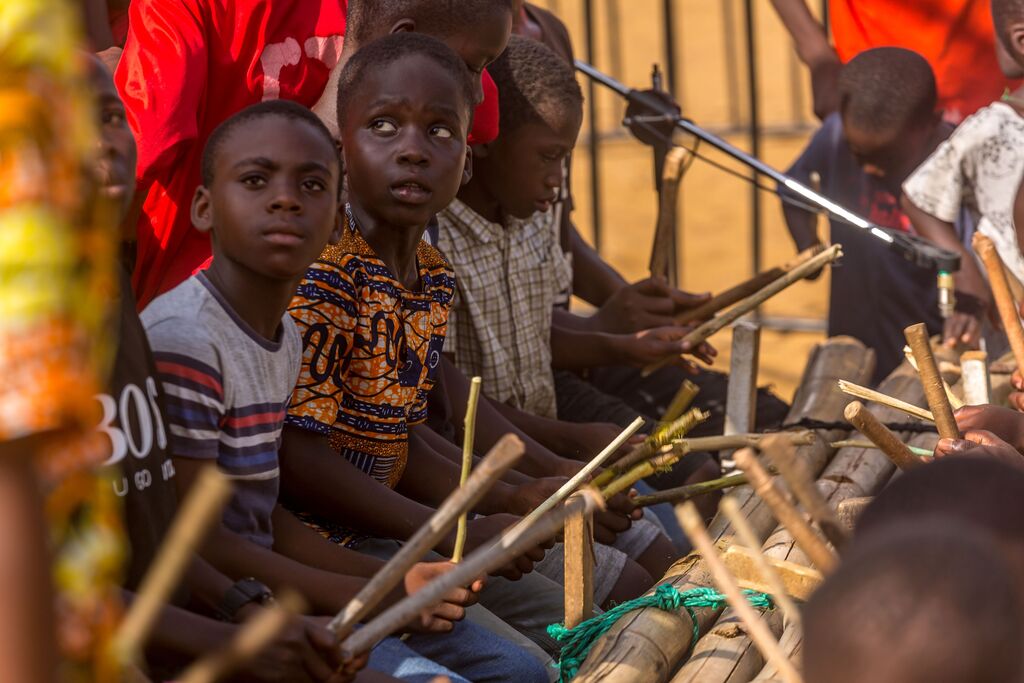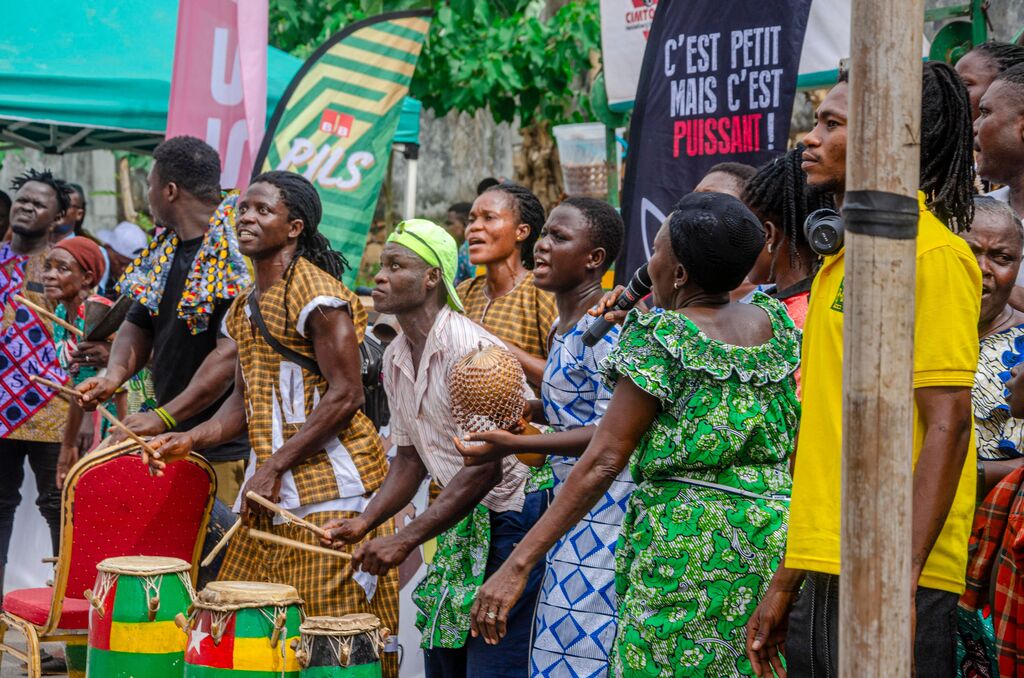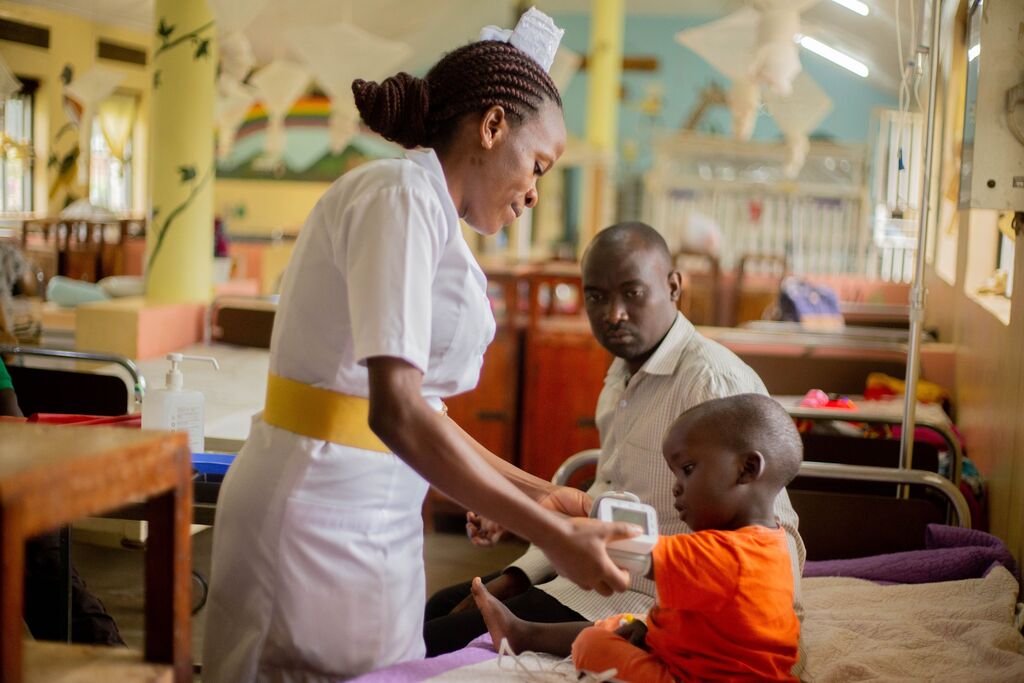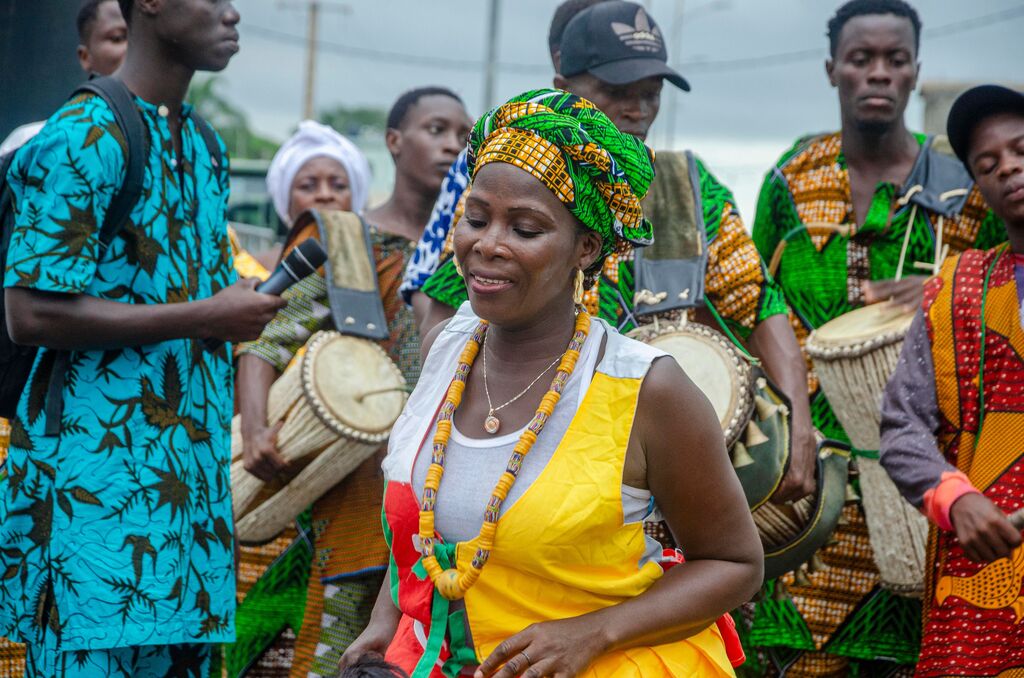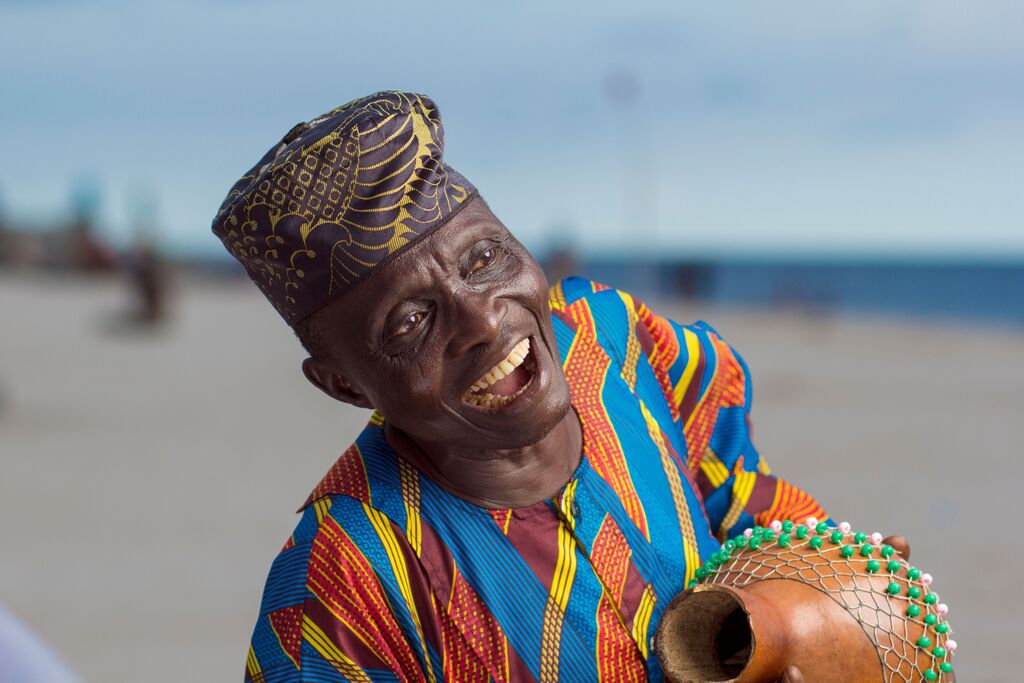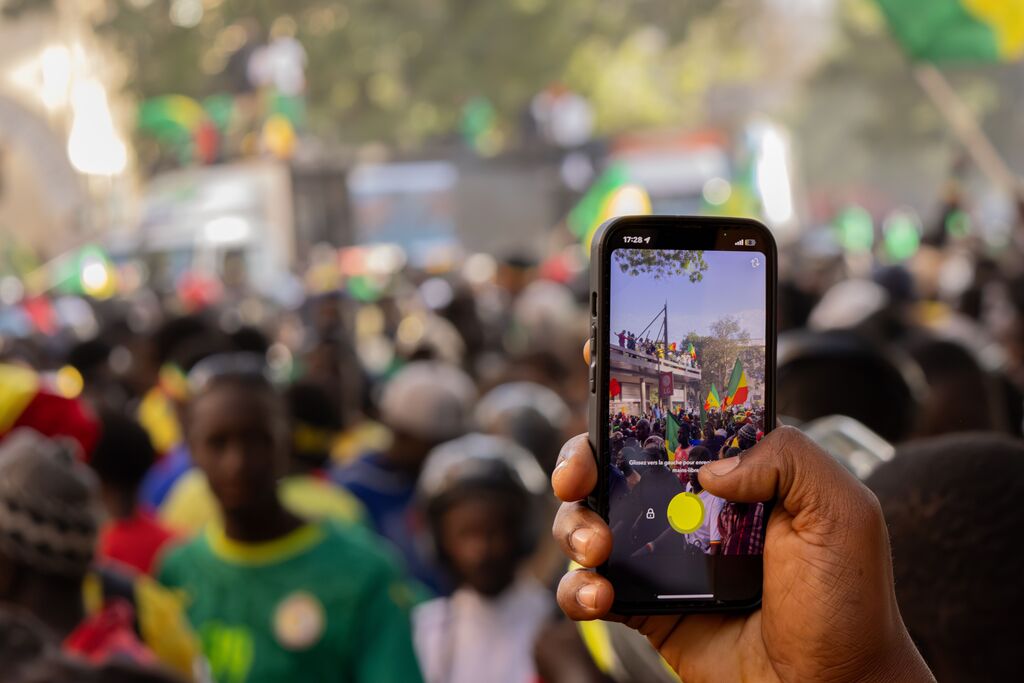
Senegal people celebrating
Remo Kurka - "To understand Senegal is to meet its people."
Visitors often arrive expecting to discover beautiful beaches, colourful markets and fascinating wildlife.
They certainly find those.
But ask almost anyone who has travelled through Senegal what they remember most, and many will give the same answer:
The people.
Known throughout West Africa for their warmth, hospitality and strong sense of community, the people of Senegal have created a nation where many cultures, languages and traditions have lived alongside one another for centuries.
Modern Senegal is home to more than eighteen million people and numerous ethnic communities, each contributing its own history, customs and traditions to the country's remarkable cultural mosaic.
Together, they form one nation.
More Than One Story
Although Senegal is often associated with the Wolof people, the country has never belonged to a single culture.
For centuries, kingdoms, trading communities, farming societies and fishing villages have flourished across the region.
People traded with one another.
Married across communities.
Shared ideas.
Built towns.
Created music.
And together shaped the Senegal we know today.
This diversity remains one of the country's greatest strengths.
The Wolof
The Wolof are Senegal's largest ethnic community and have had a profound influence on the country's language and culture.
Wolof is the most widely spoken language in Senegal and serves as a common language for millions of people from many different backgrounds.
Historically, the Wolof established influential kingdoms such as Jolof, Cayor, Baol and Waalo, helping shape the political and cultural history of the Senegambian region.
Today, Wolof traditions continue to influence music, cuisine, fashion and everyday life throughout Senegal.
The Serer
The Serer are among the oldest peoples of Senegal and have preserved many traditions that reach back centuries.
Historically associated with the kingdoms of Sine and Saloum, the Serer are known for their agricultural heritage, rich oral traditions and distinctive spiritual history.
Many Serer today are Muslim or Christian while continuing to value important aspects of their cultural heritage and ancestral traditions.
Their contribution to Senegal's history and identity is immeasurable.
The Pulaar Peoples
The Pulaar-speaking peoples, including the Fulɓe (Fulani or Peul) and Tukulor communities, have played an important role throughout West Africa.
Known historically as skilled cattle herders, traders, scholars and community leaders, they have contributed significantly to education, Islamic learning and regional commerce.
Their cultural influence extends far beyond Senegal's borders.
The Mandinka
The Mandinka, part of the wider Mande cultural world, have lived across Senegambia for centuries.
Their history connects Senegal with the great medieval empires of West Africa, including Mali.
Mandinka traditions remain visible through music, storytelling, craftsmanship and community life.
The Jola
In the lush southern region of Casamance live many Jola (Diola) communities.
Known for their distinctive architecture, rice cultivation and close relationship with the natural environment, the Jola have maintained many unique cultural traditions.
Visitors travelling through Casamance often discover a region whose landscapes and customs differ noticeably from northern Senegal.
The Soninke
The Soninke are one of West Africa's oldest historic peoples.
Their ancestors helped build the ancient Ghana Empire, one of Africa's earliest great kingdoms.
Today, Soninke communities continue to contribute to Senegal's economic and cultural life while maintaining strong family and trading networks across West Africa.
Other Communities
Senegal is also home to many other communities, including the Bassari, Balanta, Mancagne, Bainuk and numerous smaller groups.
Each adds another thread to Senegal's rich cultural tapestry.
Rather than existing in isolation, these communities have interacted with one another for generations, creating a society built upon diversity and mutual influence.
Languages of Senegal
French is Senegal's official language and is widely used in government, education and administration.
Daily life, however, is wonderfully multilingual.
Wolof serves as the country's most widely spoken language, while Pulaar, Serer, Mandinka, Jola, Soninke and several others remain important across different regions.
Many Senegalese grow up speaking two, three or even four languages.
This remarkable linguistic diversity reflects centuries of cultural exchange.
Hospitality: The Heart of Senegal
Ask experienced travellers about Senegal, and one word appears again and again.
Teranga.
Often translated simply as hospitality, teranga means much more.
It reflects generosity.
Respect.
Community.
The willingness to welcome strangers as guests.
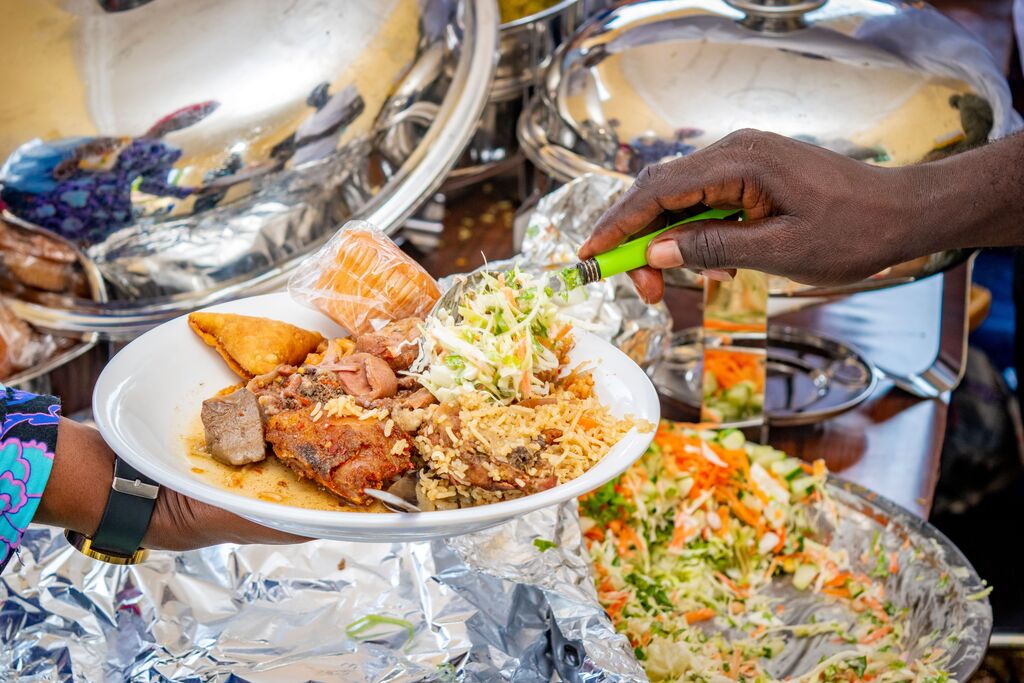
Whether sharing tea beneath a tree, helping a visitor find their way or inviting neighbours to celebrate together, teranga remains one of Senegal's defining values.
It is perhaps the country's greatest attraction.
One Nation, Many Traditions
Despite their different histories and languages, Senegal's communities have built a strong national identity together.
Music, sport, education, festivals and public life regularly bring people from different backgrounds together.
This unity within diversity has become one of the defining characteristics of modern Senegal.
It reminds us that a nation can celebrate its differences while sharing a common future.
Visiting Senegal with Respect
For travellers, understanding Senegal's cultural diversity adds a deeper dimension to every journey.
Learning a few words of Wolof.
Respecting local customs.
Dressing appropriately when visiting religious sites.
Asking questions with curiosity and humility.
Supporting local guides, artists and family-owned businesses.
These simple gestures often lead to the most rewarding travel experiences.
Because discovering Senegal is ultimately about discovering its people.
Why the People Matter
History is often told through kings, presidents and famous monuments.
Yet the true story of Senegal has always been written by ordinary people.
Farmers who cultivated the land.
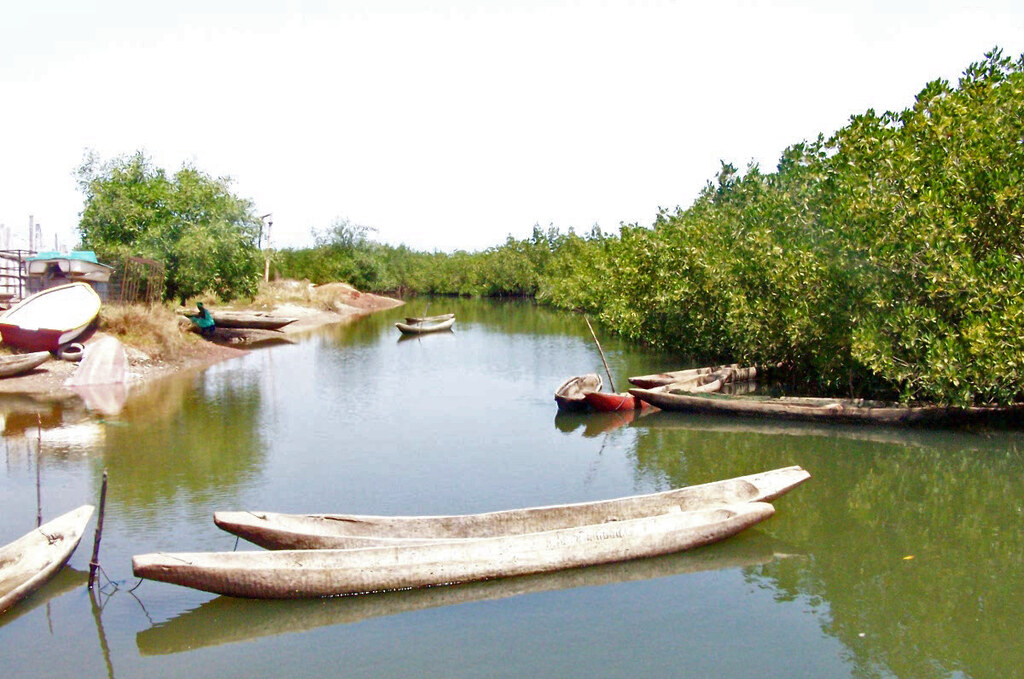
Fishermen who worked the Atlantic coast.
Merchants who crossed ancient trade routes.
Scholars who preserved knowledge.
Musicians who carried history through song.
Families who passed traditions from one generation to the next.
Their stories continue today.
And together they form the living heart of Senegal.
Every Story Opens Another Door into Africa
The people of Senegal are the country's greatest treasure.
Continue your journey by exploring:
- The Wolof: Builders of Kingdoms, Culture and Modern Senegal
- The Serer: Guardians of Ancient Traditions
- Senegambia Before Colonial Borders
- Senegal's Sufi Brotherhoods
- Historic Cities of Senegal
- Senegal Travel Regions
Because every country has a history.
But it is the people who bring that history to life.